Embracing Functional Programming for Automation Testing: Unleashing New Possibilities
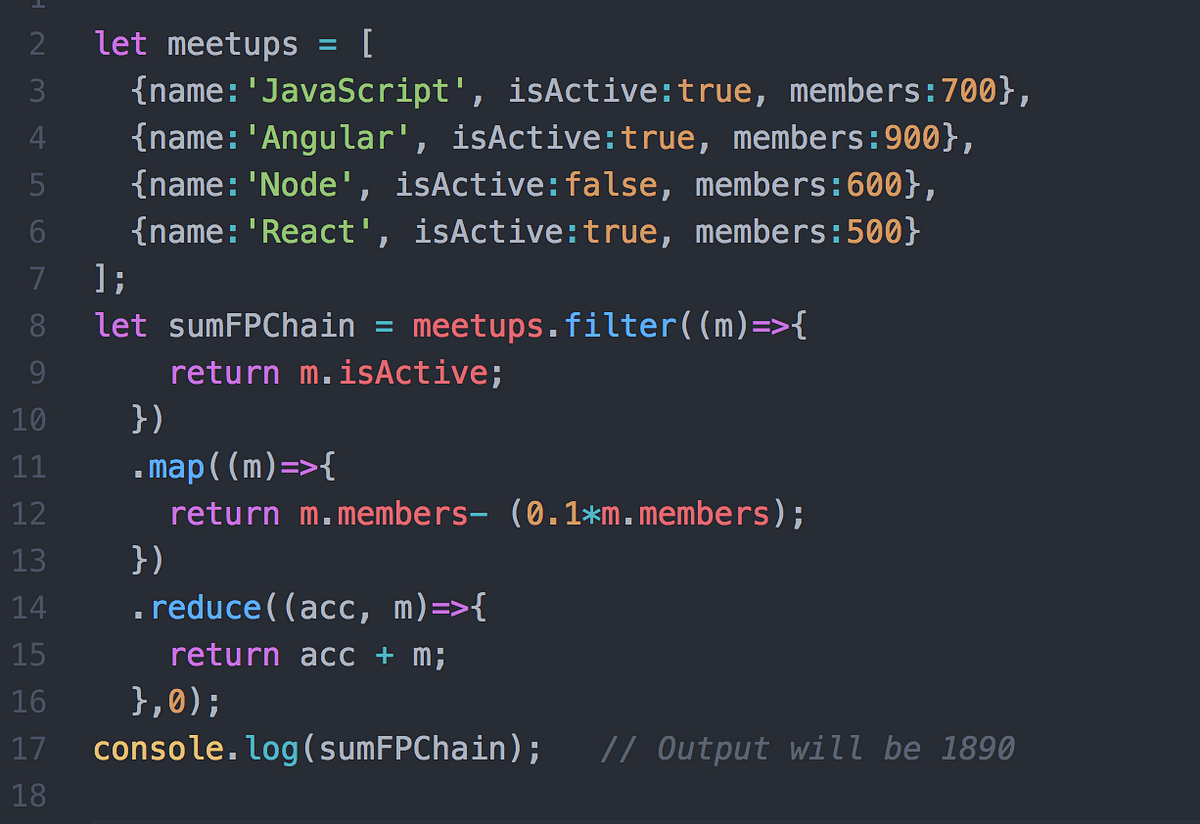
As Quality Assurance professionals, our mission is to ensure the reliability and performance of software applications. Automation testing is a cornerstone of this process, and the approach we take can make all the difference. Let's explore the world of functional programming and how it influences our automation testing efforts.
Strengths of Functional Programming in Automation Testing
- Reproducibility — Functional programming emphasizes immutability, ensuring that test scenarios remain consistent across runs. This is invaluable for detecting regressions early.
- Modularity — Functions are the building blocks of functional programming. They can be easily reused, making test code more maintainable and adaptable.
- Concurrency — Functional programming's focus on pure functions enables efficient parallel test execution, improving overall testing speed.
- Error Handling — With built-in error-handling mechanisms like Try-Catch, functional programming simplifies debugging and makes it easier to identify issues in tests.
- Scalability — Functional languages are designed for scalability, which is essential as applications grow and evolve.
Weaknesses of Functional Programming in Automation Testing
- Steep Learning Curve — For QA teams unfamiliar with functional programming, there is a learning curve. Training and adjustment periods may be necessary.
- Tool and Library Limitations — Some automation testing tools may not fully support functional programming paradigms, limiting available choices.
- Complexity — While functional code is often more concise, it can also be more abstract, making it challenging for newcomers to understand.
- Integration Challenges — Integrating functional code with existing test frameworks and environments can be a complex undertaking.
Challenges for QAs in Adopting Functional Programming
- Cultural Shift — Moving from traditional imperative programming to functional programming can require a cultural shift within QA teams.
- Tool Selection — Choosing the right tools and frameworks that support functional programming for automation testing is crucial.
- Maintenance — Ensuring that functional test code remains readable and maintainable as the application evolves is an ongoing challenge.
Comparing Functional Programming with Traditional Approaches
Traditional automation testing relies on procedural and object-oriented programming. While these approaches are well-established, they can sometimes be more rigid and less adaptable than functional programming.
Functional programming brings agility and scalability to the testing process. It excels in dynamic, ever-changing environments where adaptability is key. However, it is essential to evaluate your team's readiness, the tools at your disposal, and the specific needs of your project before making the transition.
In conclusion, functional programming offers a promising path for QA professionals in automation testing. While challenges exist, the benefits of reproducibility, modularity, concurrency, and scalability make it a compelling option. As the world of software development evolves, so must our testing methodologies.
elated topics
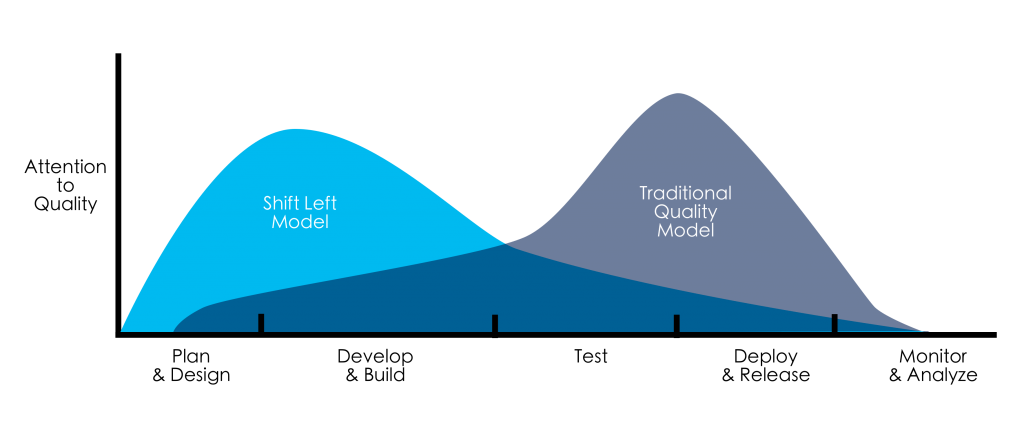
The Power of Left Shifting Testing: Bringing Quality to the Forefront
In the world of software development, ensuring the quality of your product is paramount. Traditionally, testing has been viewed as a phase that occurs after development. However, a paradigm shift is taking place with the adoption of left-shifting testing. In this post, we will explore what left-shif...
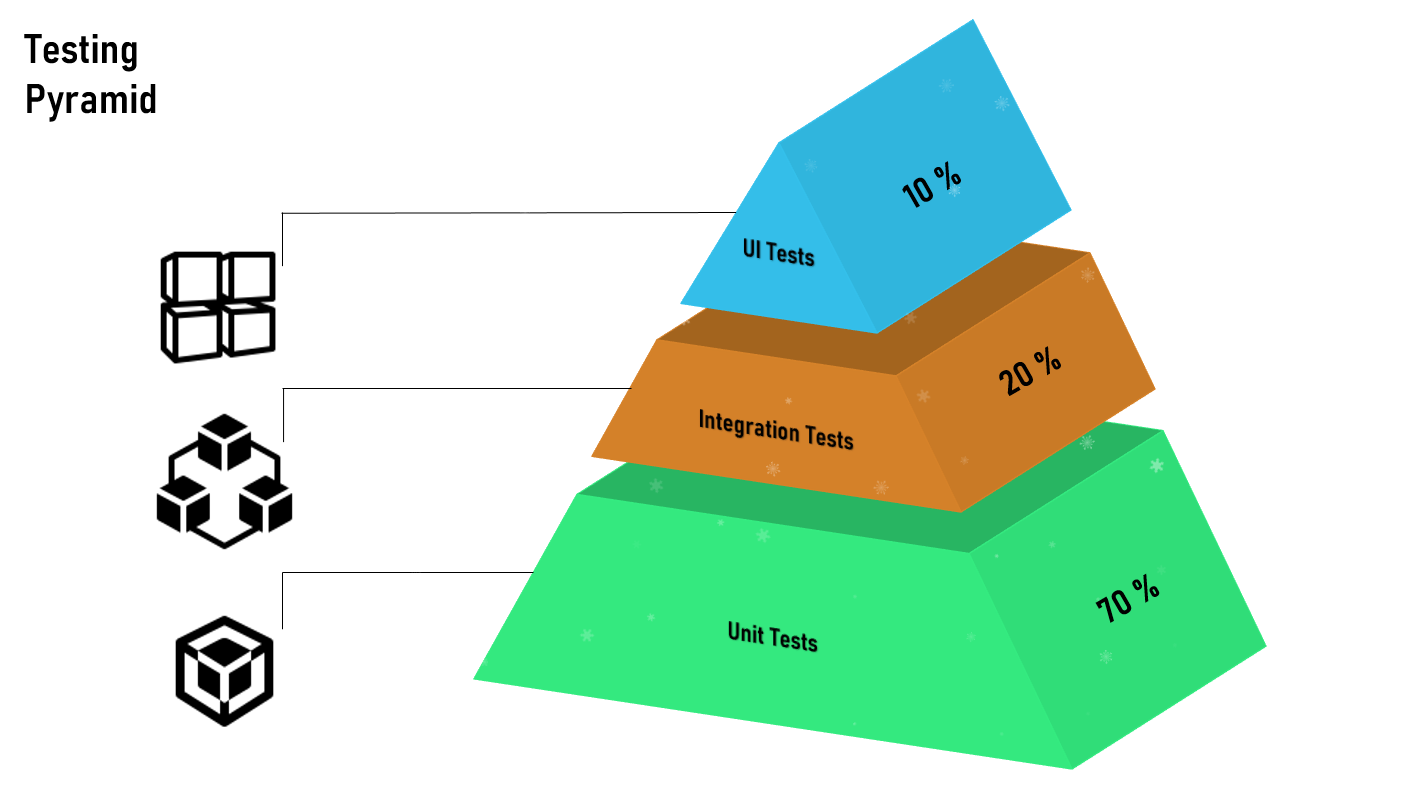
Demystifying the Testing Pyramid: A Blueprint for Effective Software Testing
In the ever-evolving landscape of software development, ensuring the reliability and functionality of applications is paramount. The Testing Pyramid is a paradigm that guides developers and QA professionals in structuring their testing strategy for optimal efficiency and effectiveness. In this pos...

🌟 Functional Programming in Automation Testing with TypeScript and Playwright 🤖🚀 Part II
Welcome to the second part of our exploration into functional programming in automation testing. In this continuation, we will delve deeper into the practical implementation of the concepts we've discussed so far. Here's what you can expect in this part: Here are step-by-step instructions for i...