The Power of Left Shifting Testing: Bringing Quality to the Forefront
Introduction
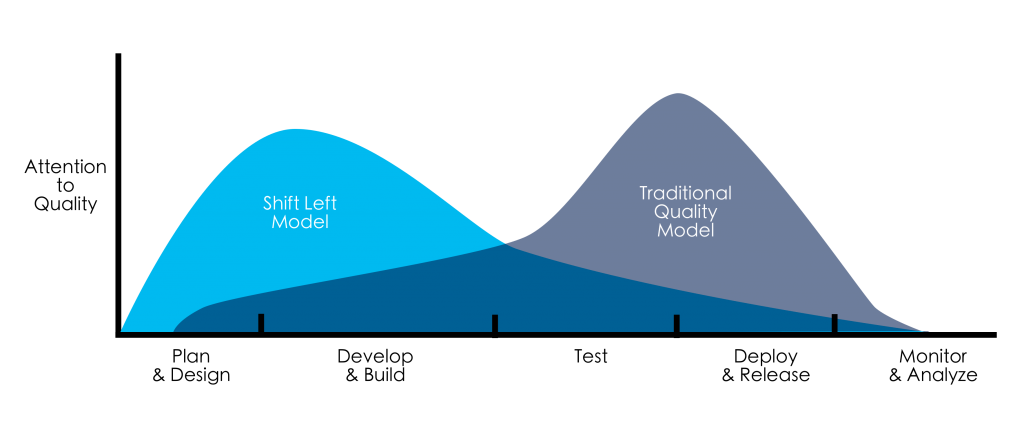
In the world of software development, ensuring the quality of your product is paramount. Traditionally, testing has been viewed as a phase that occurs after development. However, a paradigm shift is taking place with the adoption of left-shifting testing. In this post, we will explore what left-shifting testing is, its benefits, best practices, weaknesses, and why it is becoming an indispensable practice for modern development teams.
What Is Left-Shifting Testing?
Left-shifting testing is an approach that emphasizes the early involvement of testers in the software development lifecycle. The term "left-shifting" refers to moving testing activities to the left on the development timeline — meaning that testing starts as early as possible in the development process.
Key Aspects of Left-Shifting Testing
- Early Involvement — Testers collaborate closely with developers, business analysts, and other stakeholders from the beginning of the development process.
- Test-Driven Development (TDD) — Test cases are created before the code is written, guiding the development process and ensuring that the code meets specified requirements.
- Continuous Integration and Continuous Testing — Testing is automated as much as possible, with tests running automatically whenever new code is added to the codebase.
Best Practices for Left-Shifting Testing
- Define Clear Testing Objectives — Clearly define what you want to achieve with your tests. Focus on critical functionality and potential areas of risk.
- Automate Early — Begin automating tests as early as possible in the development process. This helps catch issues sooner and speeds up the feedback loop.
- Collaborate Effectively — Foster a culture of collaboration between developers, testers, and other stakeholders. Encourage communication and knowledge sharing throughout the team.
- Implement CI/CD — Automate the build, test, and deployment processes to deliver software faster and more reliably.
- Monitor Test Results — Regularly monitor test results and address failures promptly. Use tools that provide visibility into test results and trends over time.
- Maintain Test Suites — Regularly review and update your test suites to ensure they remain relevant and effective as the codebase evolves.
- Use Realistic Test Data — Use realistic test data to ensure that your tests accurately reflect real-world scenarios and edge cases.
- Integrate Security Testing — Incorporate security testing into your automated testing process to identify vulnerabilities early in the development lifecycle.
Examples
Let's consider a couple of examples to illustrate left-shifting testing:
Example 1: Test-Driven Development (TDD)
def test_addition():
    assert add(2, 3) == 5

def add(a, b):
    return a + b
Example 2: Continuous Integration and Continuous Testing
Whenever a developer commits a change to the codebase, an automated test suite runs to verify that the changes have not introduced any regressions.
Benefits of Left-Shifting Testing
- Early Bug Detection — Issues are identified and addressed before they become more difficult and costly to fix.
- Improved Software Quality — Continuous testing ensures that software quality is maintained throughout development, reducing the likelihood of shipping a buggy product.
- Faster Time to Market — Catching and fixing issues early streamlines the development process and reduces time to market.
Weaknesses
- Dependency on Test Automation — Left-shifting testing relies heavily on test automation. If the automated tests are not well-written or properly maintained, the effectiveness of the approach can be diminished.
- Cultural Shift — Left-shifting testing requires a cultural shift within an organization, which can be challenging for teams accustomed to a more traditional approach to testing.
Conclusion
Left-shifting testing is more than just a trend — it is a fundamental shift in how we approach software testing. By involving testers early in the development process, continuously testing the code as it is developed, and leveraging test automation, teams can deliver higher-quality software faster and more efficiently than ever before. Embracing left-shifting testing is not just about improving the quality of our software; it is about redefining how we think about testing in the modern development lifecycle.
elated topics
Demystifying the Testing Pyramid: A Blueprint for Effective Software Testing
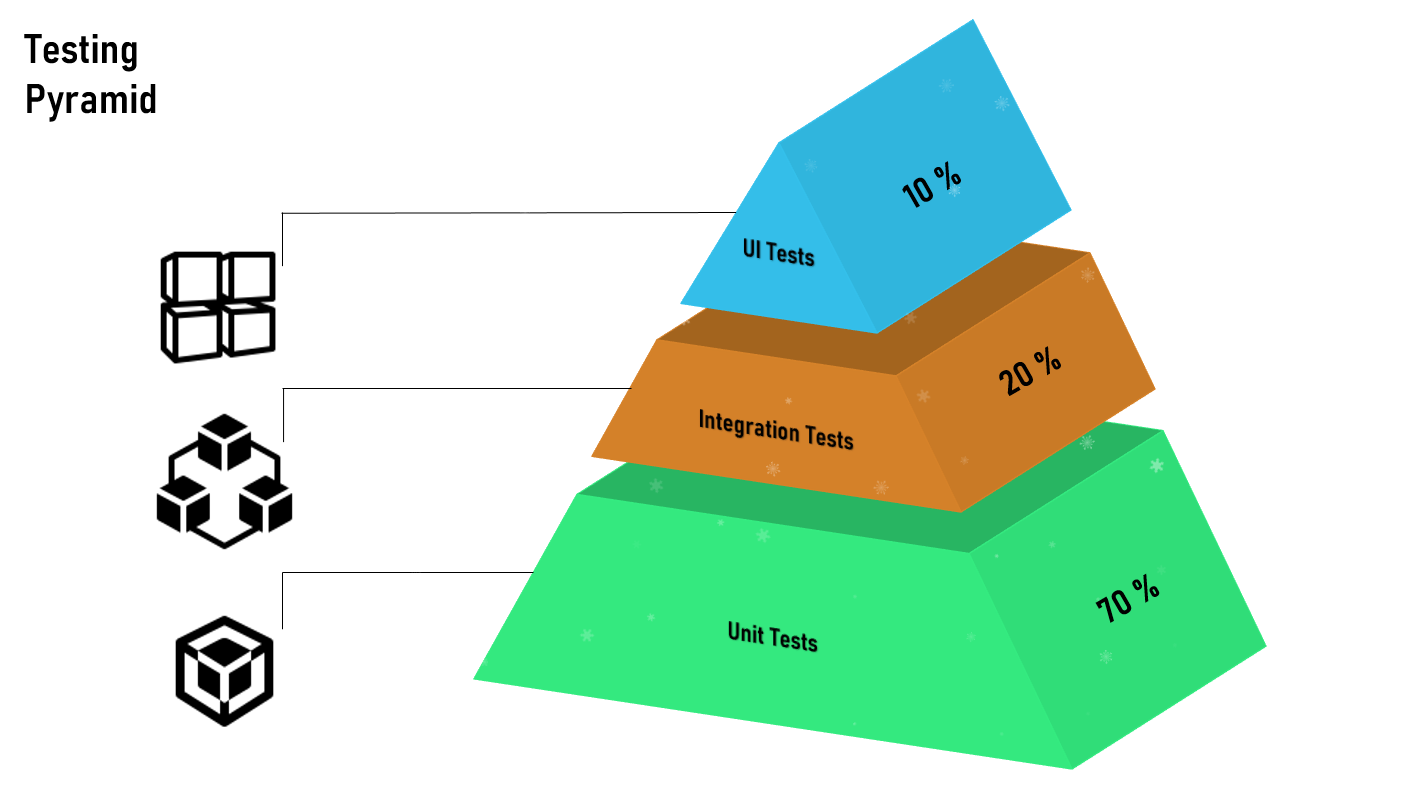
In the ever-evolving landscape of software development, ensuring the reliability and functionality of applications is paramount. The Testing Pyramid is a paradigm that guides developers and QA professionals in structuring their testing strategy for optimal efficiency and effectiveness. In this pos...
Embracing Functional Programming for Automation Testing: Unleashing New Possibilities
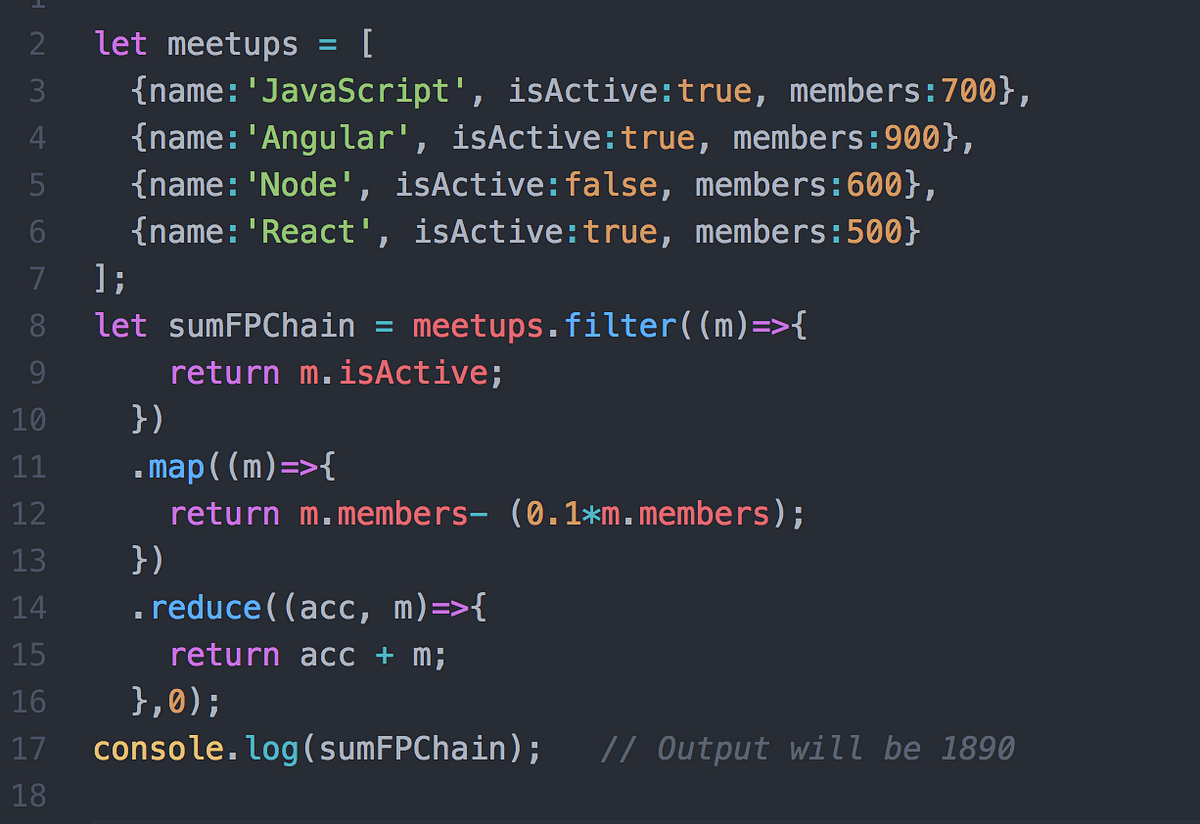
As Quality Assurance professionals, our mission is to ensure the reliability and performance of software applications. Automation testing is a cornerstone of this process, and the approach we take can make all the difference. Let's explore the world of functional programming and how it influences ou...

Using Chained Functions for Automation Testing with Playwright and TypeScript
Welcome to the world of chained functions for automation testing with Playwright and TypeScript. Building on the previously explored PageObject pattern, this topic introduces a powerful and efficient way to streamline your testing workflow. In this guide, we will dive into the concept of chaining...