Demystifying the Testing Pyramid: A Blueprint for Effective Software Testing
Introduction
In the ever-evolving landscape of software development, ensuring the reliability and functionality of applications is paramount. The Testing Pyramid is a paradigm that guides developers and QA professionals in structuring their testing strategy for optimal efficiency and effectiveness. In this post, we will explore the layers of the Testing Pyramid, their strengths and weaknesses, and how to leverage them in the development process.
The Testing Pyramid Overview
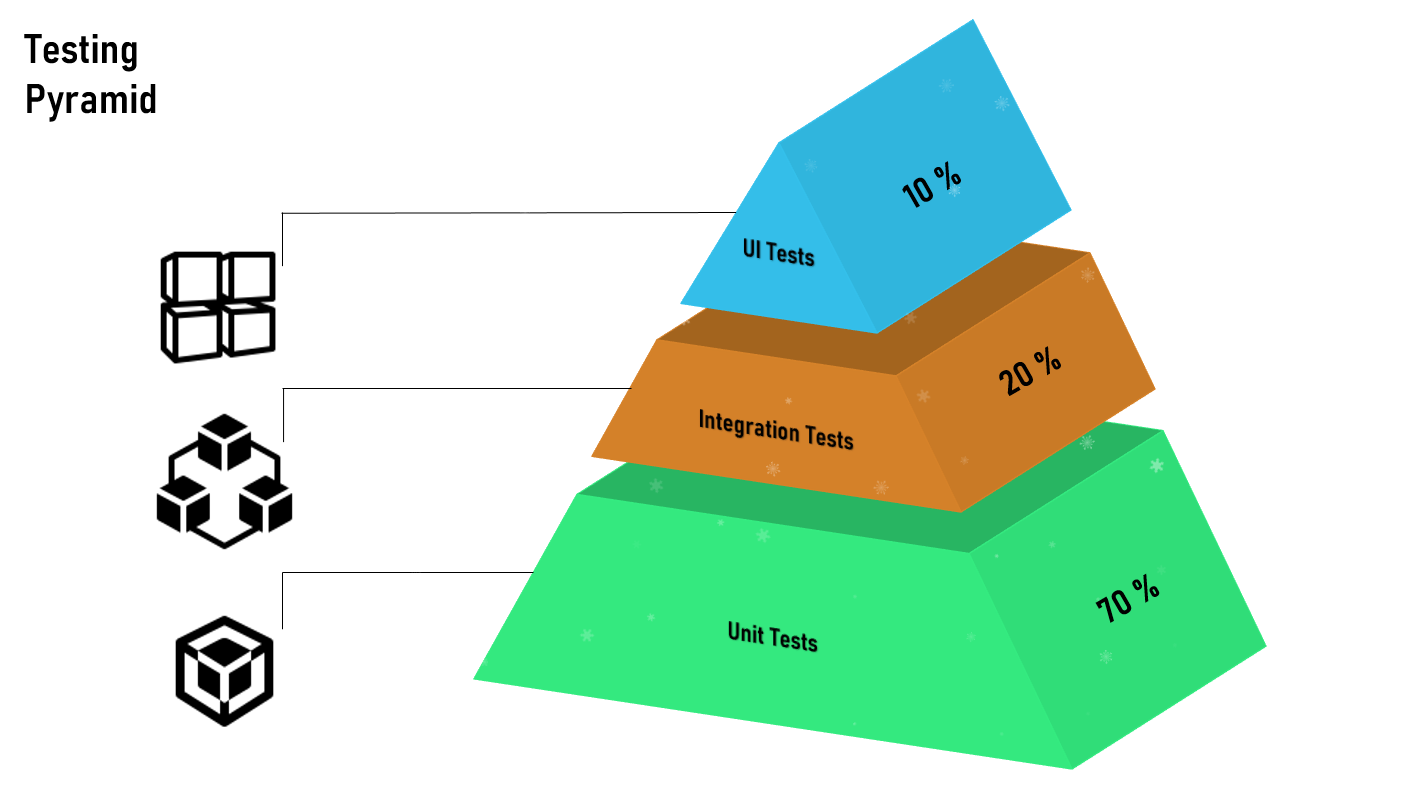
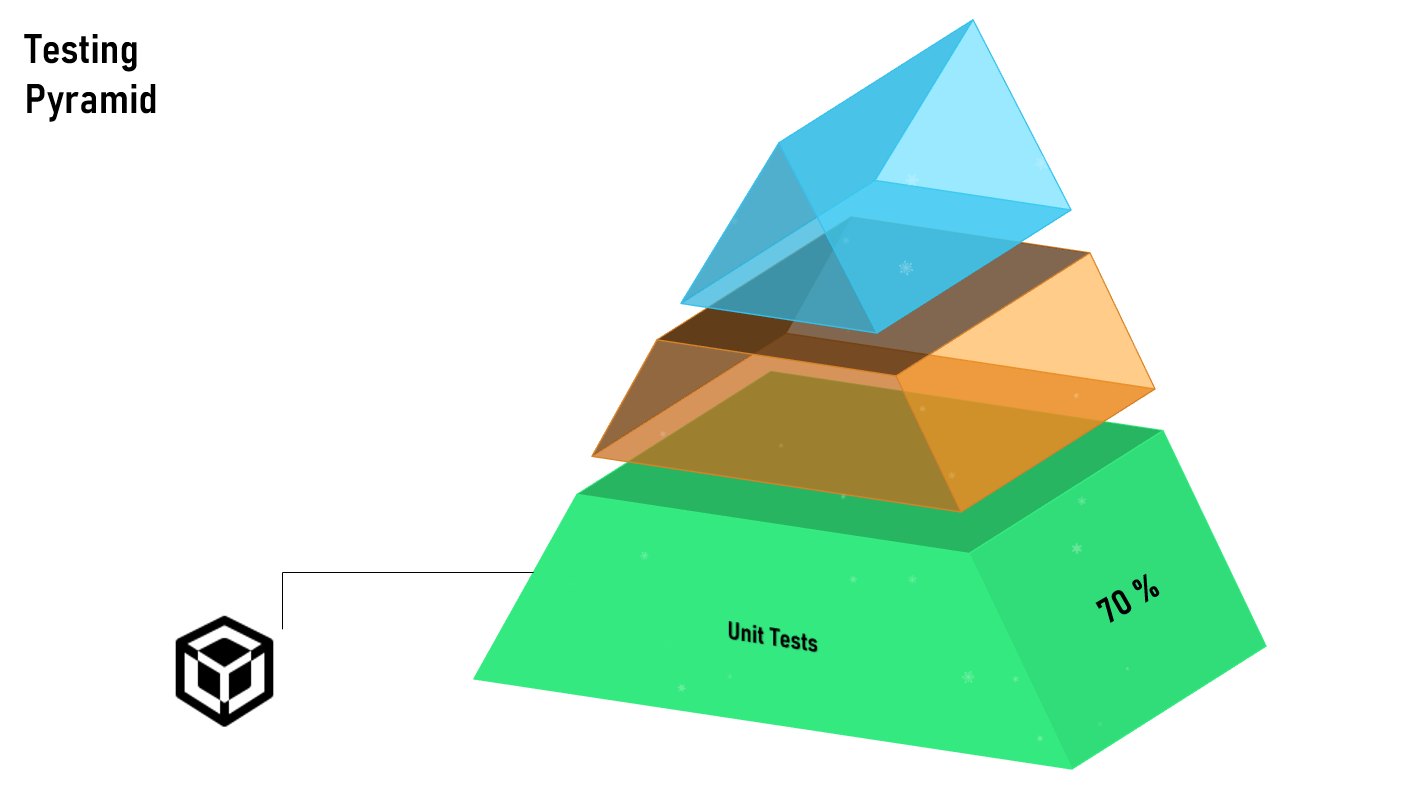
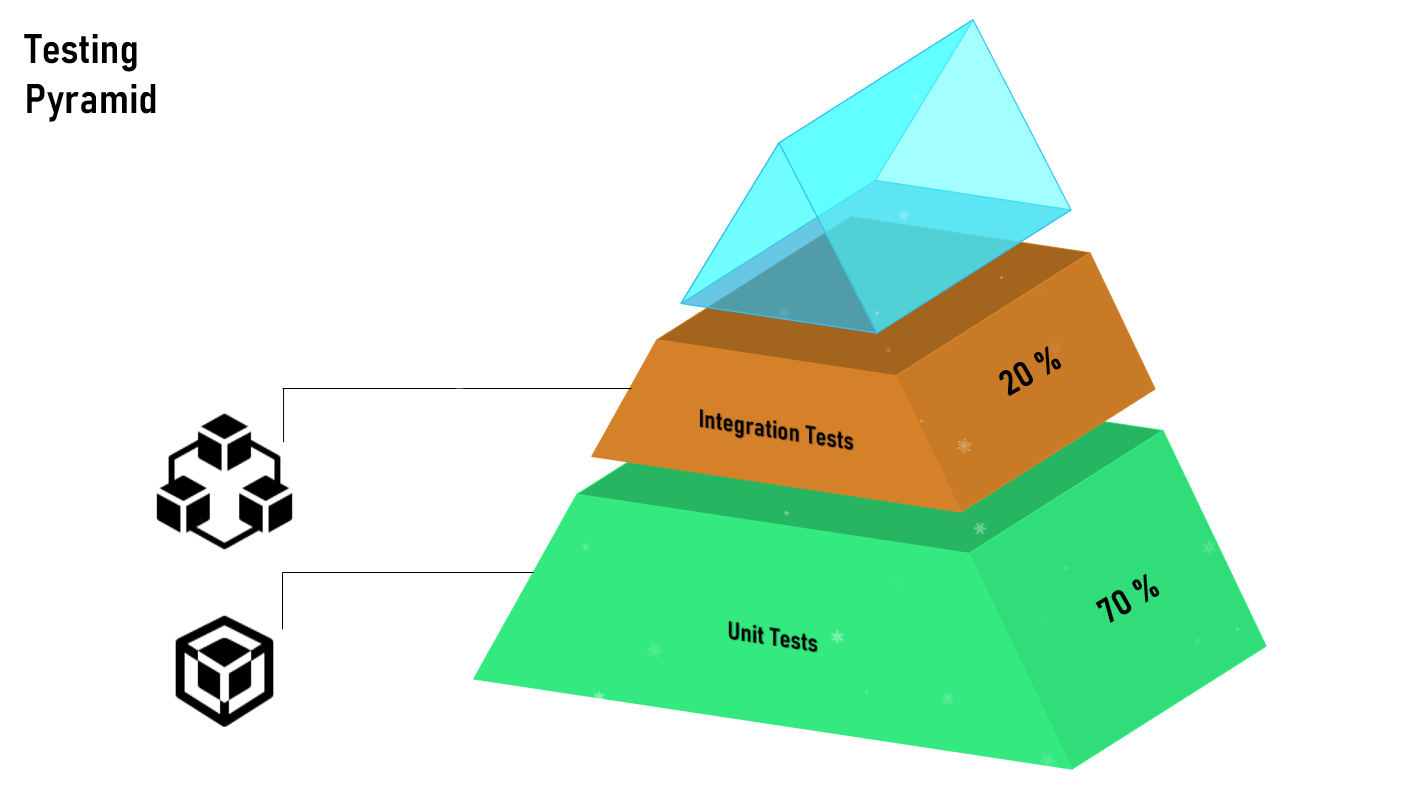
The Testing Pyramid is a visual model that categorizes tests into three main layers: Unit Tests at the base, Integration Tests in the middle, and UI (User Interface) Tests at the top. Each layer serves a distinct purpose, and the pyramid shape emphasizes the recommended distribution of tests to maintain a healthy balance.
Unit Tests
Strengths:
- Granularity — Unit tests focus on the smallest units of code, ensuring that individual functions or methods perform as intended.
- Speed — These tests are quick to execute, providing rapid feedback during development.
- Isolation — Unit tests are isolated, allowing developers to pinpoint and fix issues in specific components without affecting the entire system.
Weaknesses:
- Limited Coverage — While thorough, unit tests may not capture interactions between components, potentially missing integration issues.
- Isolation Overkill — Overreliance on isolated tests may lead to a false sense of security, as real-world scenarios involve the interaction of multiple components.
Example:
For a web application, a unit test might validate the functionality of a login service by checking whether user credentials are verified correctly.
Integration Tests
Strengths:
- Interaction Coverage — Integration tests verify the collaboration between different components or services, uncovering issues that unit tests might miss.
- Real-World Scenarios — These tests simulate more realistic user scenarios, providing a broader perspective on system behavior.
- Early Issue Detection — Integration tests catch issues that arise when components interact, preventing them from escalating into more significant problems.
Weaknesses:
- Slower Execution — Compared to unit tests, integration tests take longer to execute due to their broader scope.
- Complexity — Designing effective integration tests can be challenging, especially when dealing with interconnected systems.
Example:
In a banking application, an integration test might validate the end-to-end process of transferring funds, ensuring that various components (such as account validation, transaction processing, and notifications) work seamlessly together.
UI Tests
Strengths:
- User-Centric Validation — UI tests ensure that the application's user interface behaves as expected, providing a comprehensive view of the user experience.
- End-to-End Validation — These tests cover the entire application stack, including backend services and frontend interactions.
- Real User Interaction — UI tests emulate user actions, offering insights into how users actually interact with the application.
Weaknesses:
- Brittleness — UI tests can be sensitive to changes in the UI layout, leading to frequent test failures that are not indicative of actual defects.
- Execution Time — UI tests are typically slower than both unit and integration tests, potentially slowing down the feedback loop.
Example:
For an e-commerce platform, a UI test might simulate a user journey — from selecting products and adding them to the cart to completing the checkout process — ensuring a seamless experience.
Using the Testing Pyramid in Development
Early Detection of Issues:
- Unit tests — Developers can catch and fix bugs at the earliest stage of development, ensuring code quality from the outset.
- Integration tests — Issues arising from component interactions are identified during the development phase, preventing them from progressing to later stages.
Optimizing Test Execution:
- Prioritize Unit Tests — Since unit tests are faster, they should be the first line of defense during development, providing quick feedback to developers.
- Selective Integration and UI Tests — Run integration and UI tests less frequently, such as during nightly builds or before major releases, to balance thorough testing with efficient development cycles.
Maintaining a Healthy Test Suite:
- Regular Refactoring — Periodically review and refactor tests to ensure they remain relevant as the codebase evolves.
- Avoiding Redundancy — Eliminate duplicate tests across layers to streamline the testing process and reduce maintenance overhead.
Conclusion
The Testing Pyramid is a powerful framework that empowers development teams to create a robust testing strategy. By understanding the strengths and weaknesses of each layer and strategically incorporating them into the development process, teams can strike a balance between thorough testing and efficient development cycles. Embrace the Testing Pyramid and elevate your software testing, ensuring the delivery of high-quality, reliable applications to end-users.
elated topics
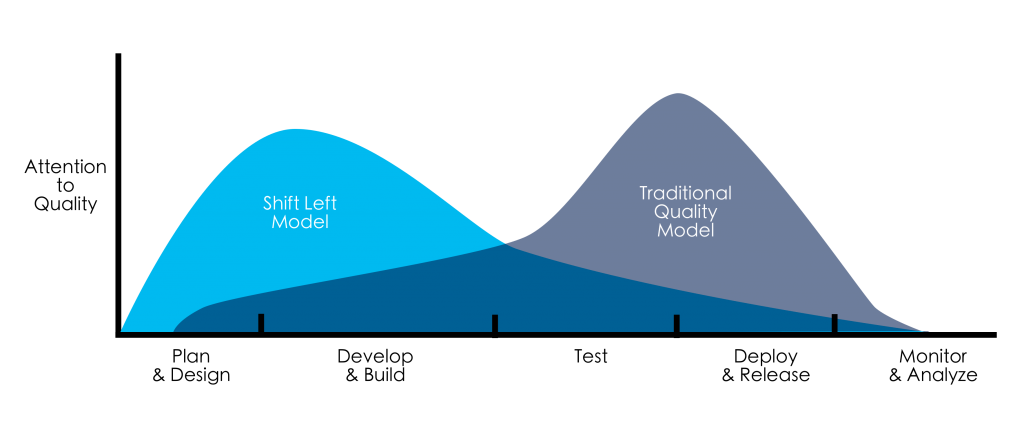
The Power of Left Shifting Testing: Bringing Quality to the Forefront
In the world of software development, ensuring the quality of your product is paramount. Traditionally, testing has been viewed as a phase that occurs after development. However, a paradigm shift is taking place with the adoption of left-shifting testing. In this post, we will explore what left-shif...
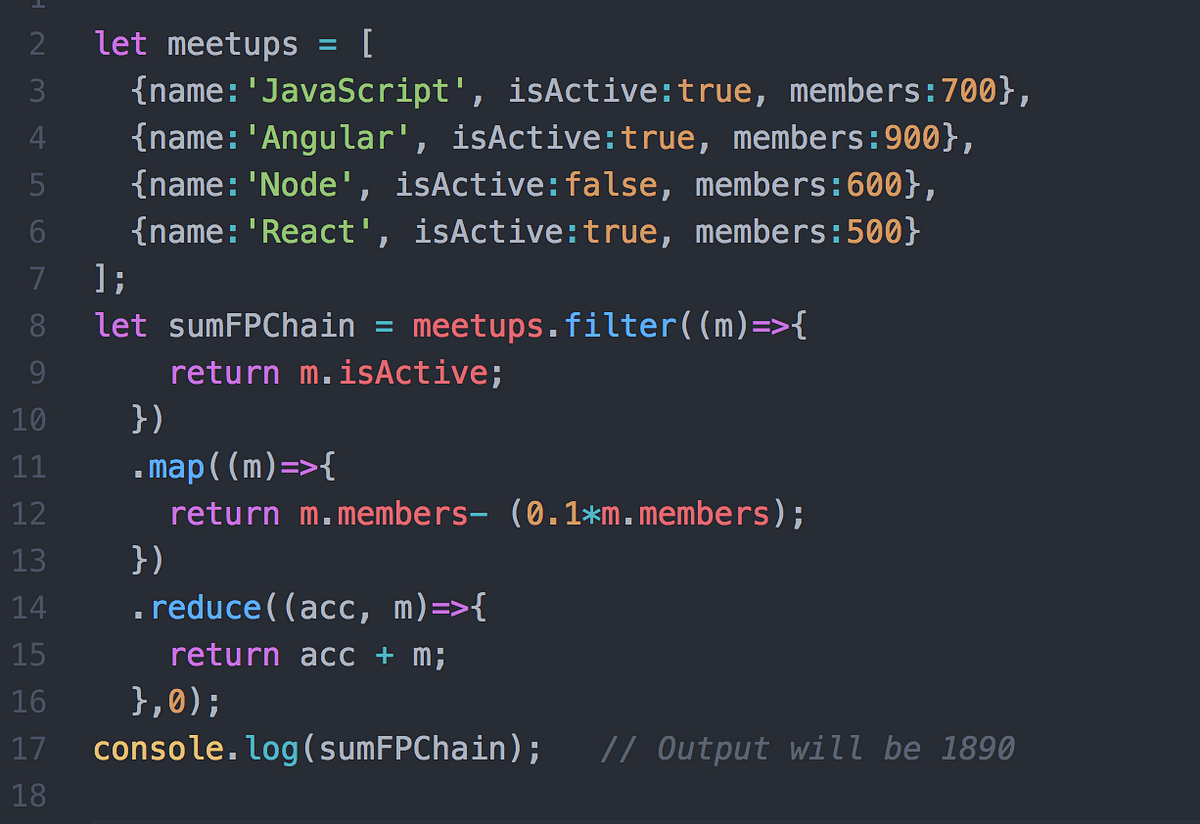
Embracing Functional Programming for Automation Testing: Unleashing New Possibilities
As Quality Assurance professionals, our mission is to ensure the reliability and performance of software applications. Automation testing is a cornerstone of this process, and the approach we take can make all the difference. Let's explore the world of functional programming and how it influences ou...
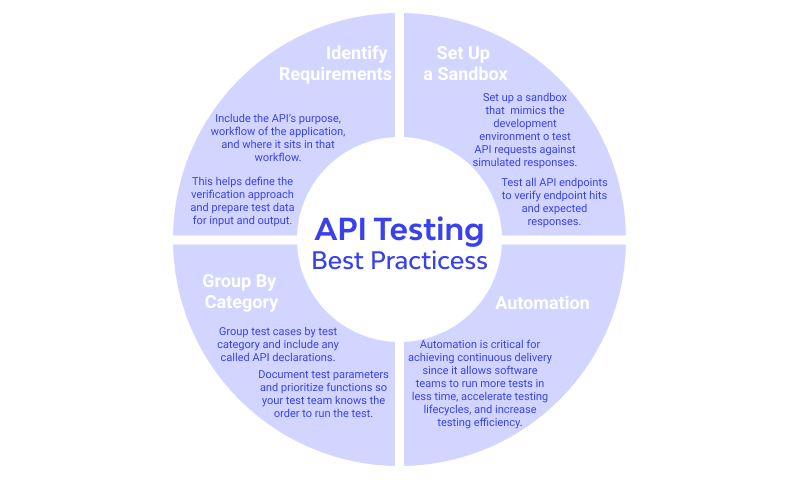
Elevating API Testing: The Why, the Challenges, and the Power of Automation
APIs (Application Programming Interfaces) serve as the backbone of modern software applications, facilitating data exchange between different components. Here is why API testing is indispensable: 1. Reliability — APIs must function consistently to ensure the seamless operation of applications. Test...