Elevating API Testing: The Why, the Challenges, and the Power of Automation
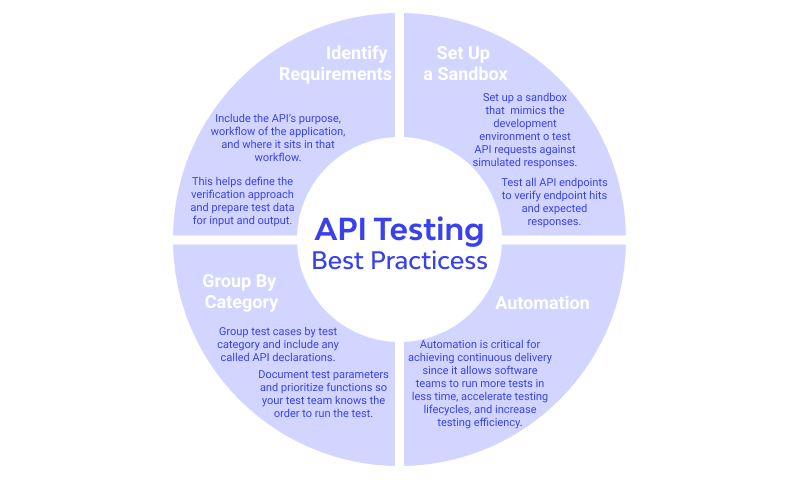
Why Do We Need API Testing?
APIs (Application Programming Interfaces) serve as the backbone of modern software applications, facilitating data exchange between different components. Here is why API testing is indispensable:
- Reliability — APIs must function consistently to ensure the seamless operation of applications. Testing helps verify that they do.
- Integration Assurance — With applications relying on multiple APIs, testing ensures smooth interaction between various components.
- Security — API vulnerabilities can lead to data breaches. Testing helps identify and remediate security flaws.
- Performance — APIs need to handle heavy loads efficiently. Testing helps gauge their behavior under stress.
- Error Handling — API testing uncovers how APIs handle errors and exceptions, ensuring graceful degradation.
Challenges for QA in API Testing
API testing comes with its own set of challenges for Quality Assurance professionals:
- Documentation — APIs often lack comprehensive documentation, making it difficult to understand their full capabilities.
- Data Formats — Handling different data formats (JSON, XML, etc.) can be complex and requires specialized knowledge.
- Dependency Management — APIs rely on external services, making test environments complex to configure.
- Versioning — Changes in API versions can disrupt existing tests, requiring constant adaptation.
- Non-Functional Testing — Beyond functional testing, QA must also assess non-functional aspects such as performance, security, and scalability.
The Power of Automation in API Testing
Automation plays a pivotal role in enhancing API testing efficiency and effectiveness:
- Reusability — Automated tests can be reused across different builds, saving time and effort.
- Consistency — Automation ensures consistent test execution, reducing human error.
- Early Detection — Automated tests can be integrated into the CI/CD pipeline, catching issues early in the development cycle.
- Regression Testing — As APIs evolve, automation enables quick regression testing to ensure existing functionality remains intact.
- Performance Testing — Automation makes it possible to run load tests that assess API performance under various conditions.
In conclusion, API testing is not merely a necessity — it is a strategic imperative in today's software development landscape. Quality Assurance teams, equipped with the right tools and automation techniques, can navigate these challenges and contribute significantly to building robust and reliable APIs.
elated topics

The Power of Left Shifting Testing: Bringing Quality to the Forefront
In the world of software development, ensuring the quality of your product is paramount. Traditionally, testing has been viewed as a phase that occurs after development. However, a paradigm shift is taking place with the adoption of left-shifting testing. In this post, we will explore what left-shif...
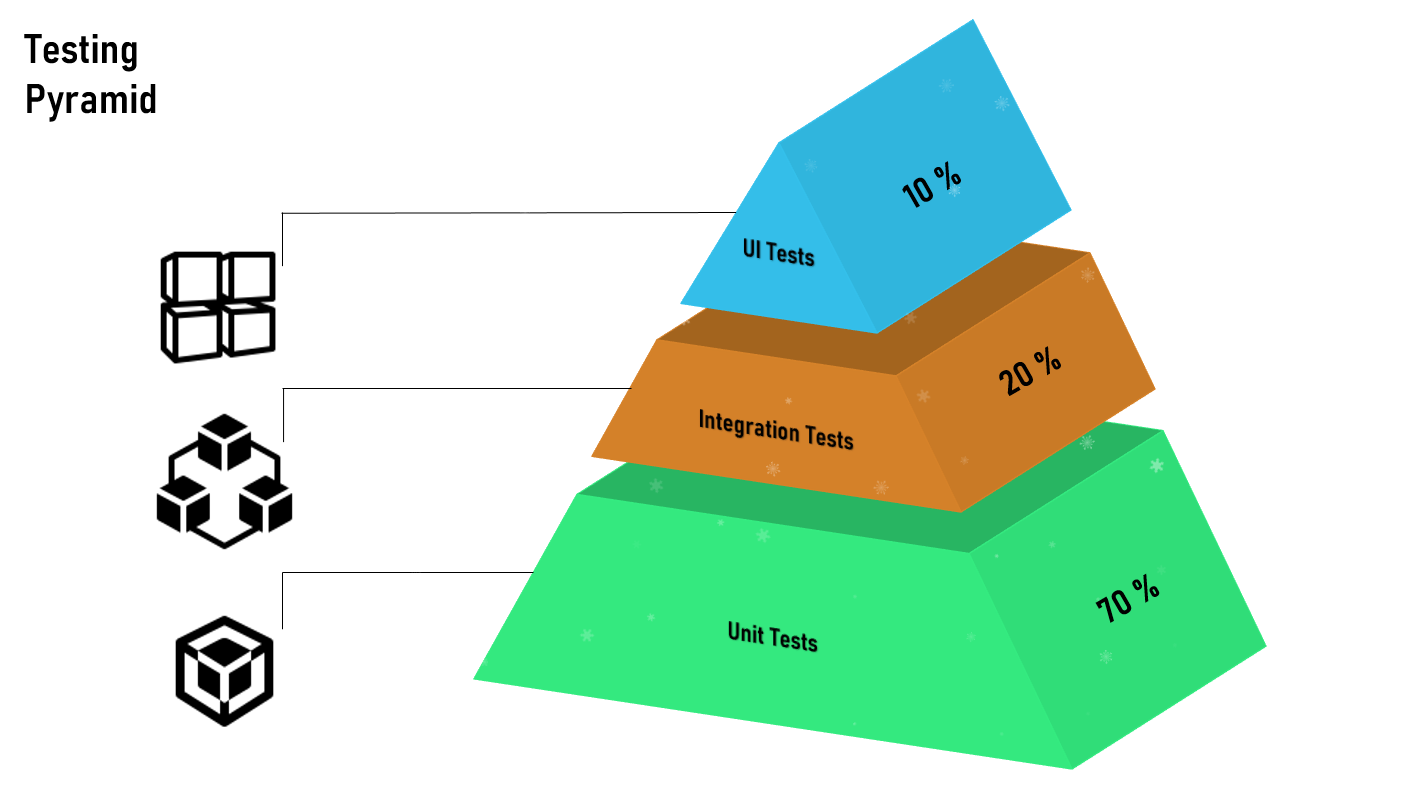
Demystifying the Testing Pyramid: A Blueprint for Effective Software Testing
In the ever-evolving landscape of software development, ensuring the reliability and functionality of applications is paramount. The Testing Pyramid is a paradigm that guides developers and QA professionals in structuring their testing strategy for optimal efficiency and effectiveness. In this pos...
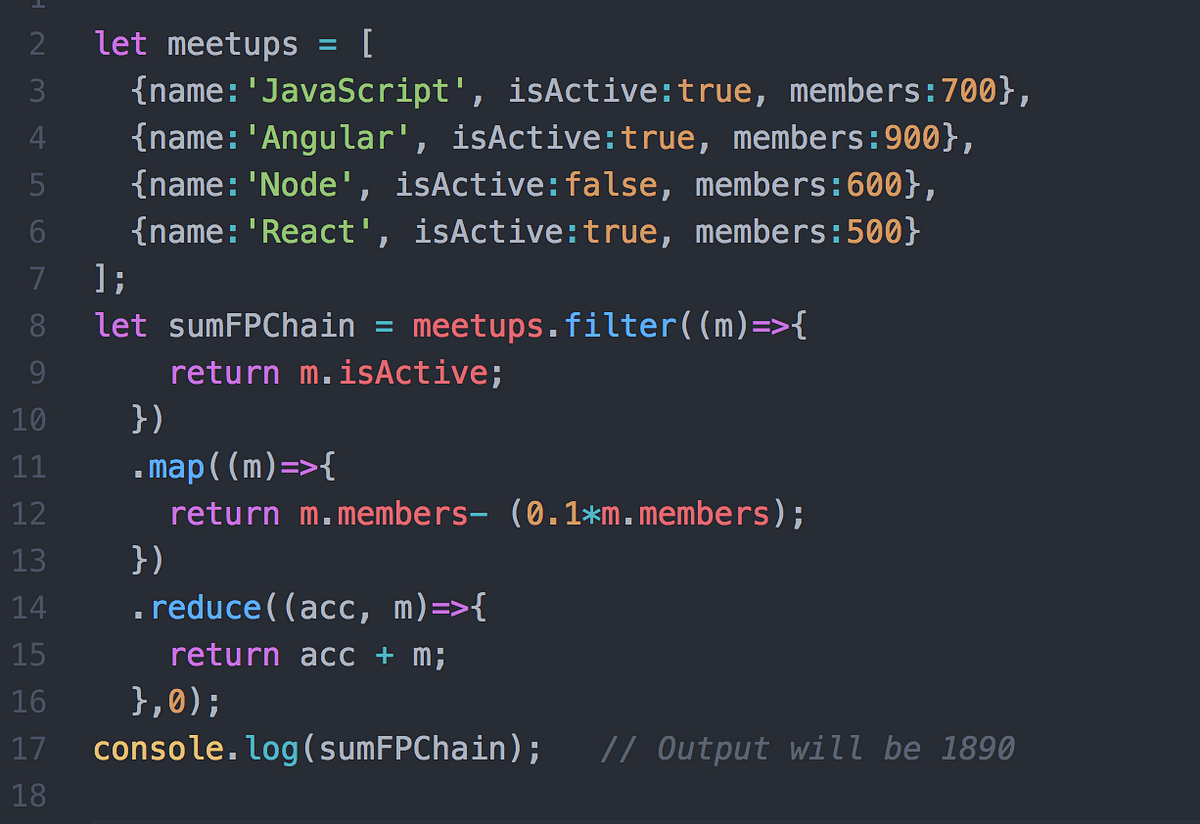
Embracing Functional Programming for Automation Testing: Unleashing New Possibilities
As Quality Assurance professionals, our mission is to ensure the reliability and performance of software applications. Automation testing is a cornerstone of this process, and the approach we take can make all the difference. Let's explore the world of functional programming and how it influences ou...