Unlocking the Power of Unit Testing: Why, When, and Who Should Care?
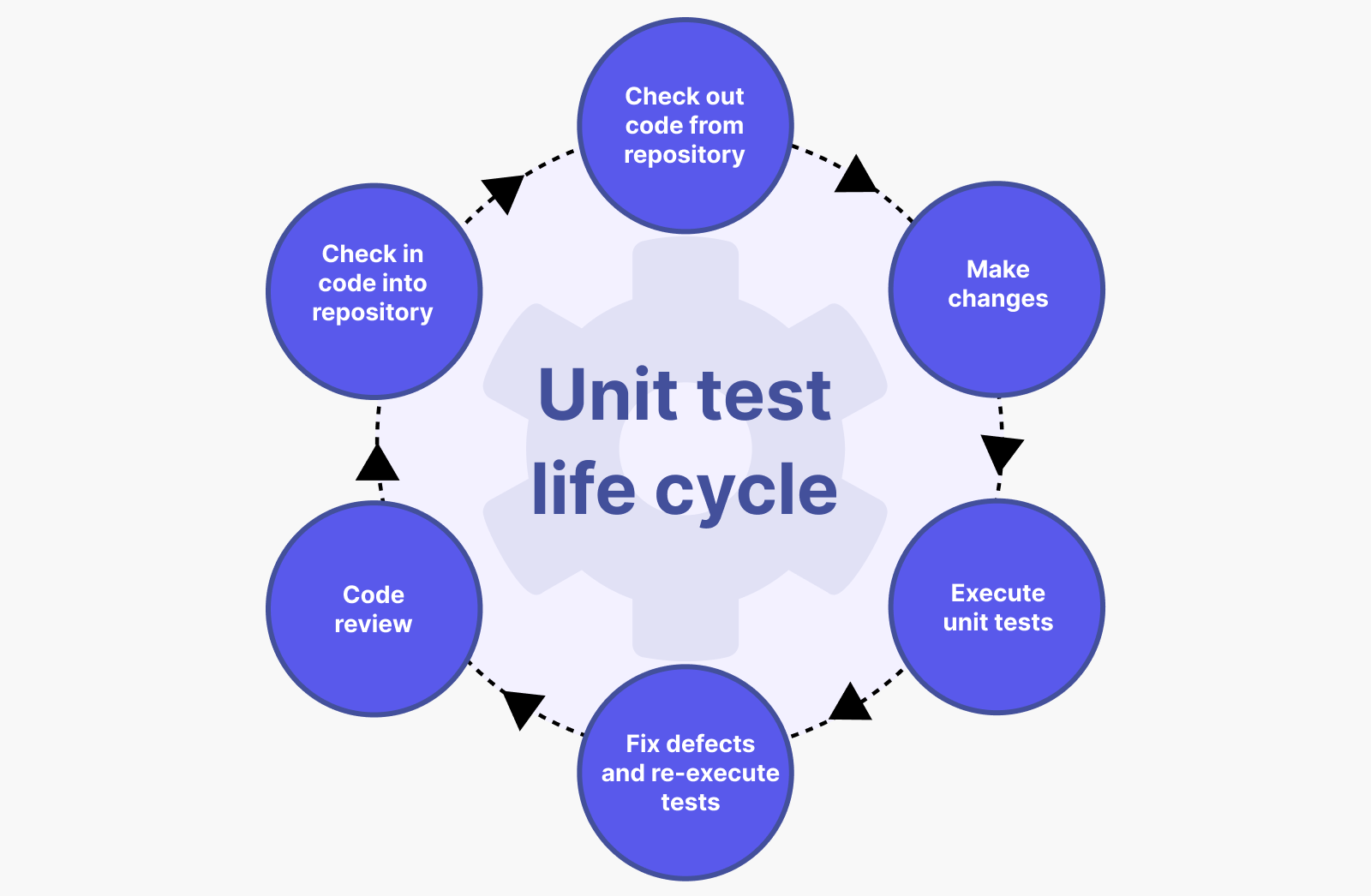
In the fast-paced world of software development, ensuring the reliability and robustness of our code is paramount. That is where unit testing comes into play — a practice that can make or break the success of a project. Let's explore the why, when, and who of unit testing.
Why Do We Need Unit Testing?
Unit testing is all about breaking down your code into its smallest components, or units, and rigorously testing them in isolation. The primary purpose is to identify and fix issues early in the development cycle. By catching bugs and regressions at their inception, you save time, reduce costs, and ultimately deliver a more stable, higher-quality product to your users.
Who Should Care About Unit Testing?
Unit testing is not just the responsibility of QA engineers or dedicated testers. It is a collective effort that involves every member of the development team. Developers, in particular, play a crucial role in writing and maintaining unit tests for the code they produce. By embracing unit testing, developers can take ownership of code quality and reduce the chances of introducing defects.
Additionally, project managers, product owners, and stakeholders should also care about unit testing. It directly impacts the project's success by reducing the risk of costly late-stage defects and ensuring that the software meets its functional requirements.
When Should We Start Writing Unit Tests?
Unit testing should be an integral part of the development process from the very beginning. As soon as you start writing code, you should also be writing corresponding unit tests. This iterative approach ensures that you catch issues as they arise, rather than letting them accumulate and become more complex to resolve.
Unit tests also serve as living documentation for your code, helping new team members understand its behavior and providing a safety net when making changes or refactoring.
Strengths of Unit Testing
- Early Bug Detection — Identifying and fixing bugs during development saves time and resources compared to discovering them later in the testing or production phases.
- Improved Code Quality — Writing unit tests encourages developers to write cleaner, more modular, and more maintainable code.
- Regression Prevention — Unit tests act as a safety net, preventing the reintroduction of known issues when making changes to the codebase.
- Documentation — Unit tests provide living documentation for your code, helping developers understand how it is supposed to work.
Weaknesses of Unit Testing
- Time-Consuming — Writing unit tests can be time-consuming, especially for complex systems, which may discourage some developers.
- Incomplete Coverage — Achieving 100% code coverage with unit tests can be challenging, and there may still be untested edge cases.
- Maintenance Overhead — As the codebase evolves, unit tests may require updates, and failing tests can become a bottleneck.
- False Sense of Security — Passing unit tests do not guarantee a bug-free application; integration and end-to-end testing remain essential.
In conclusion, unit testing is a crucial practice in modern software development. Its benefits — early bug detection, improved code quality, and regression prevention — far outweigh its drawbacks. It should be a shared responsibility among developers, testers, and stakeholders, starting from day one of your project. By embracing unit testing, you are not just writing code; you are building confidence in your software's reliability and quality.
elated topics

The Power of Left Shifting Testing: Bringing Quality to the Forefront
In the world of software development, ensuring the quality of your product is paramount. Traditionally, testing has been viewed as a phase that occurs after development. However, a paradigm shift is taking place with the adoption of left-shifting testing. In this post, we will explore what left-shif...

Using Chained Functions for Automation Testing with Playwright and TypeScript
Welcome to the world of chained functions for automation testing with Playwright and TypeScript. Building on the previously explored PageObject pattern, this topic introduces a powerful and efficient way to streamline your testing workflow. In this guide, we will dive into the concept of chaining...

Exploring the PageObject Pattern for Automation Testing
Are you a software tester looking to optimize your automation tests and make them more maintainable and readable? If so, then the PageObject pattern might be your secret weapon! The PageObject pattern is a design pattern that enhances the organization and structure of your automation tests. It abst...